Telecommunication Intelligence Fraud Oversight Committee 3479847247 3208428750 3517268615 3500331193 3288478282 3296211812

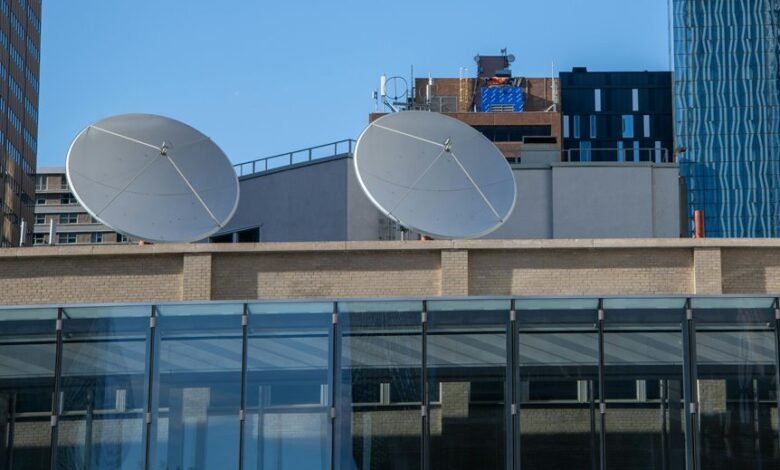
The Telecommunication Intelligence Fraud Oversight Committee plays a critical role in addressing the complexities of telecommunication fraud. Its focus on regulatory compliance and collaboration with industry stakeholders is essential. However, the landscape of fraud is constantly evolving, presenting unique challenges. The committee’s strategies for enhancing consumer safety and maintaining network integrity warrant further examination. What specific measures are being implemented to adapt to these challenges?
Objectives of the Telecommunication Intelligence Fraud Oversight Committee
The primary objective of the Telecommunication Intelligence Fraud Oversight Committee is to establish a comprehensive framework for identifying, analyzing, and mitigating telecommunication fraud activities.
This framework emphasizes regulatory compliance, ensuring that industry standards are met while fostering robust fraud prevention strategies.
Key Challenges in Combating Telecommunication Fraud
Combatting telecommunication fraud presents a myriad of challenges that complicate the implementation of effective oversight measures.
Key obstacles include the rapid evolution of fraud techniques, which outpace existing fraud detection systems, and the intricate landscape of regulatory compliance that varies across jurisdictions.
These factors hinder timely responses and create gaps in protective frameworks, ultimately undermining efforts to safeguard consumers and telecom networks.
Collaboration With Industry Stakeholders
While innovative fraud techniques continue to emerge, collaboration with industry stakeholders remains essential to bolster defenses against telecommunication fraud.
Effective stakeholder engagement facilitates knowledge sharing and best practices in fraud prevention, enabling entities to develop robust strategies.
Impact on Consumer Safety and Network Integrity
Although telecommunication fraud is often viewed primarily as a financial threat, its ramifications extend significantly to consumer safety and network integrity.
Compromised networks can lead to unauthorized access, jeopardizing consumer protection and personal data. Additionally, weakened network security fosters an environment conducive to further fraudulent activities, ultimately undermining user trust and safety, which are essential for a resilient telecommunications infrastructure.
Conclusion
In the ever-evolving landscape of telecommunication fraud, the Telecommunication Intelligence Fraud Oversight Committee serves as a vigilant lighthouse, guiding the industry through turbulent waters. By addressing key challenges and fostering collaboration among stakeholders, the committee not only fortifies consumer safety but also enhances network integrity. As fraud techniques grow more sophisticated, the committee’s unwavering commitment to regulatory compliance and strategic oversight becomes crucial in safeguarding the telecommunications sector against the relentless tide of deceit.